- Mon - Fri: 7:45 am - 5:30 pm
- +254 700 863 205
- Turbo, Kakamega , Kenya

Eiusmod tempor incididunt ut labore et dolore magna aliqua. Quis ipsum ultrice gravida isus commodo viverra.
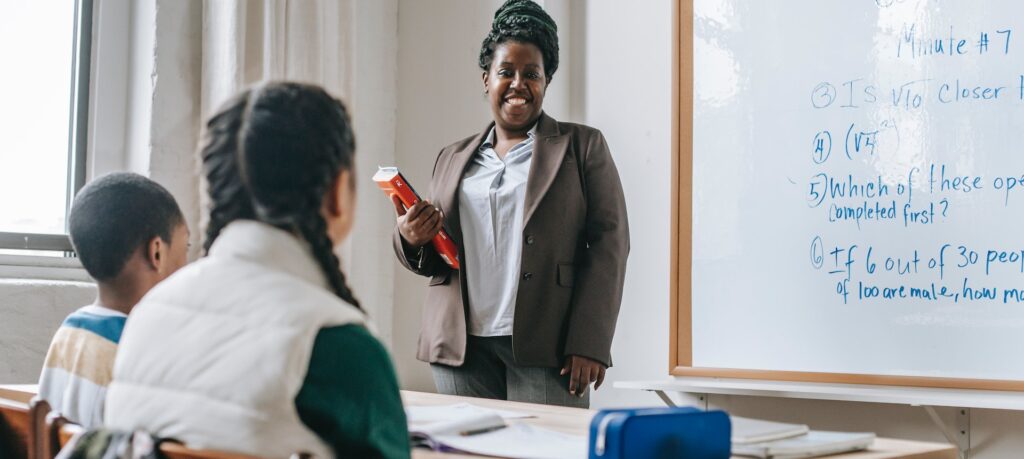
In the Montessori education system, the approach for students in grades 4 to 7 focuses on building upon the foundation laid in the earlier years. This phase of education is designed to foster independence, critical thinking, and a love for learning. Here is an overview of the various sections of a Montessori teaching experience in this grade range:
The Montessori classroom for grades 4 to 7 is carefully prepared to cater to the developmental needs of students. It is divided into different subject areas, including language, mathematics, science, history, geography, and practical life skills. Each area is equipped with age-appropriate materials and resources to facilitate hands-on learning.
One of the key principles of Montessori education is individualized learning. In this phase, students have the freedom to choose activities that align with their interests and learning goals. The Montessori teacher acts as a guide, observing students’ progress and providing guidance and support as needed. This approach allows students to progress at their own pace and take ownership of their education.
Montessori education emphasizes the integration of subjects to create a holistic learning experience. Lessons are designed to connect various disciplines, showing students the interconnectedness of knowledge. For example, a history lesson may include elements of geography, language, and art, allowing students to see the interplay between different subjects.
Practical life skills remain an important component of the Montessori curriculum. Students are encouraged to engage in activities that develop independence, responsibility, and self-sufficiency. These activities can include tasks such as cooking, gardening, organizing, and taking care of the classroom environment. By acquiring these skills, students develop confidence and a sense of competence.
Montessori education promotes project-based learning, where students work on long-term projects that involve research, collaboration, and presentation. Projects may be interdisciplinary, encouraging students to explore a topic from multiple angles. The teacher guides the students throughout the project, providing resources, support, and feedback.
Nature and outdoor experiences are an integral part of Montessori education. Students in grades 4 to 7 often participate in outdoor activities and field trips that enhance their understanding of the natural world. They may engage in nature walks, camping trips, or environmental projects. Outdoor education fosters a deep appreciation for nature, promotes environmental awareness, and provides opportunities for hands-on learning.
Assessment in Montessori education focuses on the individual progress of each student. Rather than relying solely on traditional tests and exams, the Montessori teacher uses a variety of assessment tools, such as observation, portfolios, and self-assessment. This approach allows for a comprehensive evaluation of a student’s growth, strengths, and areas for improvement.
Montessori education emphasizes the importance of community involvement. Students are encouraged to engage in community service projects, participate in charitable initiatives, and collaborate with local organizations. These activities cultivate empathy, social responsibility, and a sense of belonging within the broader community.
Montessori education recognizes the significance of a strong partnership between parents and teachers. Regular communication between the two ensures a consistent approach to the child’s education and holistic development. Parent-teacher conferences, workshops, and open houses provide opportunities for parents to understand their child’s progress, share insights, and actively participate in their educational journey.